
Why Bloom Timing Matters
A honey bee colony's food requirements are not constant throughout the year. In spring, a rapidly expanding colony needs large volumes of both pollen — for brood rearing — and nectar. In mid-summer, during peak population, the colony is actively storing honey for winter. In late summer and autumn, the priority shifts to raising the long-lived winter bees that will carry the colony through to spring.
A garden that provides only July flowers leaves colonies without resources in May and September, two months when resource availability significantly affects colony health. Effective pollinator planting spans as much of the frost-free period as possible.
Native Plants: What That Means in Canada
The term "native" is context-dependent. A plant native to the Carolinian forest zone of southern Ontario is not native to the boreal fringe of northern Ontario. Canada spans multiple ecozones, and plant selection should be matched to the ecoregion where you live, not to a generic "Canadian native" list.
Resources for identifying native plants by region include:
- Native Plant Society of Canada — provincial chapter contacts and regional plant lists
- Flora of North America — taxonomic and distributional data
- Your provincial conservation authority or native plant nursery, which typically stock locally appropriate species
On invasive species: Several widely-sold garden plants are designated invasive in parts of Canada, including purple loosestrife (Lythrum salicaria), wild chervil (Anthriscus sylvestris), and common St. John's wort (Hypericum perforatum) in certain provinces. Bee-friendliness does not override invasive status. Check with your provincial invasive species council before planting.
Early Spring Plants (May – early June)
Early spring is the period of greatest resource scarcity for managed and wild bee populations alike. Colonies are expanding rapidly, but few plants are in bloom. Trees and shrubs often provide more pollen and nectar volume than herbaceous plants at this time of year.
- Willows (Salix spp.) — Several native willows bloom in early spring before their leaves appear, providing abundant pollen. Native to most of Canada. Catkins are accessible to a wide range of bee species.
- Red maple (Acer rubrum) — Blooms before leaf-out in central and eastern Canada. A significant early-season nectar source in wooded and suburban areas.
- Wild columbine (Aquilegia canadensis) — Native to eastern Canada, blooming May to June. Accessible primarily to long-tongued bees and bumblebees.
- Serviceberry / Saskatoon (Amelanchier spp.) — Native across most of Canada. Blooms in May, providing both pollen and nectar. Also provides fruit, which benefits birds.
- Dandelion (Taraxacum officinale) — Not native, but a significant early-season resource that should not be removed from areas adjacent to hives if it can be avoided in the critical May expansion period.
Summer Plants (June – August)
Summer typically coincides with the main nectar flow in most of Canada. The goal during this period is less about supplementing scarce resources and more about providing diversity, including plants that support native bee species that may not use the same floral resources as honey bees.
- Purple coneflower (Echinacea purpurea) — Native to central North America, widely grown across Canada. Long bloom period, July to September. Highly attractive to bumblebees and sweat bees.
- Wild bergamot (Monarda fistulosa) — Native to much of Canada's south. Blooms July to August. Provides nectar to bumblebees and long-tongued native bees; honey bees use it as well.
- Anise hyssop (Agastache foeniculum) — Native to the Canadian prairies. Exceptional nectar producer, July to September. Easy to establish and self-seeds reliably in most Canadian gardens.
- Borage (Borago officinalis) — Not native; originally Mediterranean. An annual that self-seeds readily. Produces nectar in short spurts throughout the day, highly attractive to honey bees. Grows readily in most Canadian gardens from direct sowing.
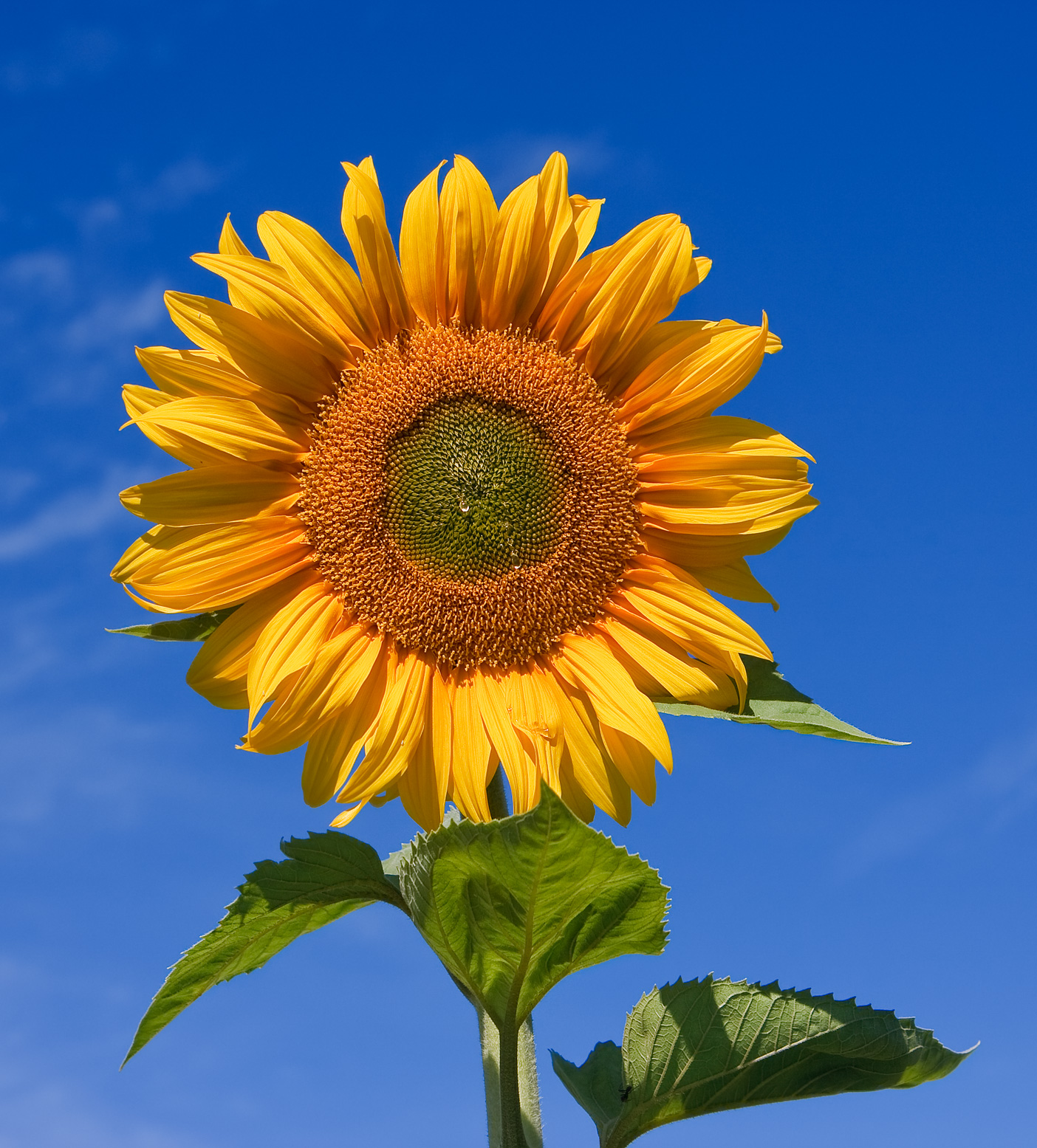
- Sunflower (Helianthus annuus) — Annual; native to North America. Large plants produce abundant pollen. Single-petaled or open-centered cultivars are more accessible to bees than fully double ornamental types.
- Linden / Basswood (Tilia americana) — Native to eastern and central Canada. The flowers, which bloom in early July in central Canada, produce nectar in large quantities and are considered one of the best honey plants in areas where linden is present.
Late Season Plants (September – October)
Late-season plants are critically important for the development of overwintering bees. In many parts of Canada, the period from mid-August through October is a resource gap that weakens colonies going into winter.
- Goldenrod (Solidago spp.) — Multiple native species bloom from August through October. One of the most important late-season pollen sources for overwintering bee populations in eastern and central Canada. Often incorrectly blamed for hay fever (airborne allergies at that time are primarily caused by ragweed, which blooms simultaneously).
- Aster (Symphyotrichum spp.) — Native asters bloom September through October in most of Canada. New England aster (S. novae-angliae) is a widely available native with a long bloom period. Combines well with goldenrod in a late-season planting.
- Joe-pye weed (Eutrochium spp.) — Native to eastern Canada. Blooms August to September. Large flowerheads attract a wide range of bees and butterflies.
- Phacelia (Phacelia tanacetifolia) — Not native to Canada; originating from southwestern North America. An annual that is frequently used as a cover crop and green manure. Blooms in spring or late summer depending on when it is sown. Extremely attractive to honey bees; can be used to extend the early or late season window.
Garden Design Considerations
A few practical points for designing a pollinator garden in a Canadian backyard:
Plant in clusters
Single specimens of a flowering plant are less useful to foraging bees than clusters of the same species. Groups of five or more plants of a single species are more likely to be visited consistently.
Avoid pesticides
Systemic insecticides in particular — including neonicotinoids — can contaminate pollen and nectar. This applies to purchased bedding plants as well as direct applications.
Leave bare ground
Many native ground-nesting bees require bare or sparsely vegetated soil for nesting. A small patch of undisturbed sandy or well-drained soil supports a wider range of pollinators than garden beds alone.
Delay autumn cleanup
Hollow stems and leaf litter provide overwintering habitat for native bees. Leaving plant stems standing until late spring gives ground-dwelling and stem-nesting species time to complete their life cycle.
Resources for Canadian Gardeners
The Bee City Canada program supports municipalities and institutions in creating pollinator-friendly spaces and publishes guidance for gardeners. The Native Bee Society of British Columbia and equivalent provincial groups provide regionally specific plant lists and identification resources for native bee species.

